

Dr. Larry Cohen, Therapist, Life Coach, and Marriage Counselor in Voorhees NJ, Marlton NJ, and Cherry Hill NJ (856) 352-5428 Contact New Jersey Therapy and Life Coaching (NJTLC.com)
These Past Two Days
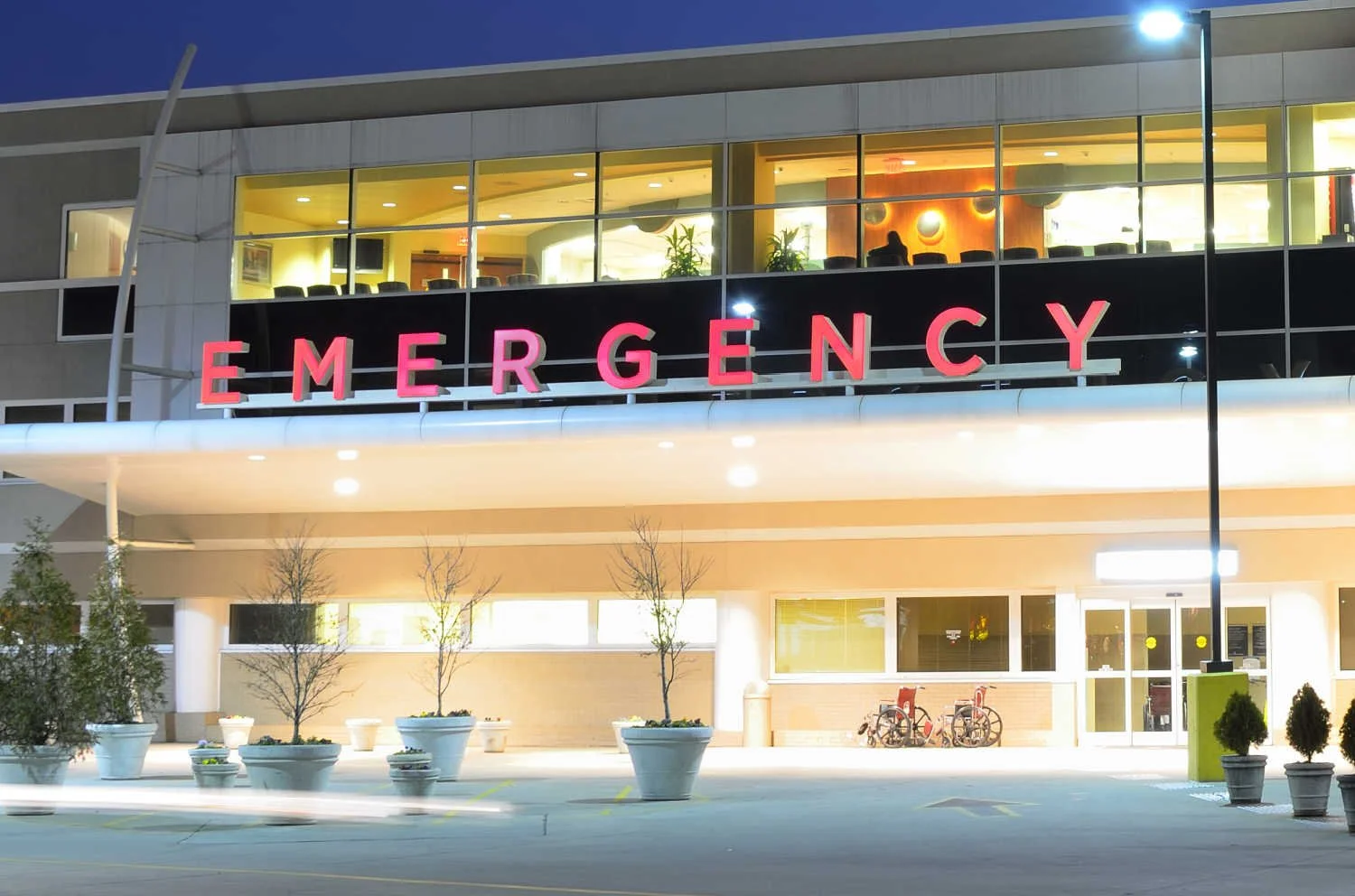
These past two days, I have been struggling with a physical problem, and yesterday I visited the emergency room unexpectedly. In two weeks, I will have surgery to repair my abdominal wall, but I did not expect to get so sick so fast.
The ER pulled a surgical resident out of the operating room to take a look at me. While in great pain, he worked with me to temporarily resolve the problem. At one point, he said, “I think you are going to need emergency surgery.” Fortunately, he was able to fix the immediate problem, and I was able to go home. I am so grateful to have access to such expert care when my physical self needs repair.
Two days ago, I was seeing clients as usual, when I was overcome with pain and, for the first time in thirty years, had to contact my next two clients and reschedule their appointments. In 30 years, I’d never had to do this. The next day, after I had sent out my daily appointment reminders, I realized I needed to go to the emergency room and had to turn around and contact those very clients, telling them that, unfortunately, I needed to reschedule their appointments because I needed medical care.
An Unexpected Impact
Canceling an appointment at the last minute is not something I have had to deal with. I ask my clients to provide 24 hours’ notice if they need to reschedule their appointments, and I found myself breaking my own expectations of them. Feelings of guilt came up in me, but I realized that my need to receive medical care was paramount. I felt helpless and out of control. This was not a situation I was familiar with; I pride myself on always being on time for client appointments, rarely rescheduling, and never rescheduling at the last minute like this.
While in the ER, I reflected on my situation and realized that physical illness doesn’t just affect my body; it creates a myriad of emotions that I did not expect. When your body becomes unreliable, your mind needs to adapt, whether you want it to or not. Physical limitations changed how safe I felt in the world. In other words, it brought up feelings of fear. After getting home, I read a little about my experience and learned things I didn’t know or had never had to; that change shows up psychologically, often in ways people don’t expect or recognize right away.
Lost Energy, Depression, and Anxiety
One of the biggest impacts of illness is the loss of energy. You lose spontaneity. You lose the version of yourself that didn’t have to plan life around symptoms. Most people don’t talk about this openly, so they assume they’re overreacting. They’re not. They’re grieving, and grief that doesn’t get acknowledged usually turns into something heavier. Although we know life is uncontrollable, most of us do all we can to make it feel controllable.
Depression is a common outcome of prolonged illness. With long-term illness, you may keep putting in effort to get better, and it may never come; motivation naturally drops. This isn’t a character flaw. It’s what happens when the brain learns that trying doesn’t reliably lead to success. Over time, you may stop imagining things getting better—not because they’re negative, but because hope has been repeatedly disappointed.
Anxiety often develops at the same time. Illness makes the body unpredictable, and unpredictability keeps the nervous system on edge. Symptoms can appear without warning. Medical appointments carry real emotional weight. Normal bodily sensations start to feel threatening. The body stays in a state of readiness, constantly waiting for the next problem.
C-PTSD
For some people, especially those dealing with chronic or serious medical conditions, this crosses into trauma territory. Repeated medical procedures, ongoing pain, or long stretches of helplessness can lead to symptoms consistent with complex PTSD (C-PTSD). People feel detached from their bodies, emotionally numb, or constantly tense. The body stops feeling like a safe place to live.
Learning to Cope
The first step in coping is understanding this clearly: nothing is “wrong” with you psychologically. Your mind is responding appropriately to prolonged stress. Depression, anxiety, and trauma symptoms are not failures. They’re adaptations. When people stop blaming themselves for their reactions, they often feel a noticeable shift in their perspective and attitude. Give yourself permission to feel how you feel without taking on the shame and guilt that may accompany your illness.
Coping is not about pushing through or staying positive. Real coping means learning what your limitations are and accepting them. It means changing your expectations and recognizing when your emotions have overwhelmed you. This is where therapy can help. You need to process the grief that comes with physical limitations.
The Need For Support
Support matters, but not all support helps. Being told that “everything will be okay” or “stay strong” can sometimes increase feelings of failure and worthlessness. What actually helps is being taken seriously. Being allowed to talk about anger, fear, and resentment without being told that it’s not okay to feel these things can rebalance your emotional state. Feeling understood reduces nervous system activation more than advice.
Overcoming the psychological impact of illness does not mean returning to who you were before. That person lived in a different body. Recovery looks more like integration—figuring out how to live well inside new constraints without letting those constraints define your identity. That process takes time, and there are no shortcuts. We have so much to learn from people who have been ill since birth or for much of their lives. Upon reflection, I realized that coping with, adjusting to, and living with physical illness and limitations is the very definition of courage.
Physical illness can change your life, but it does not have to permanently damage your mental health. With the help of a good therapist, the right support, and realistic coping strategies, people can reduce anxiety, overcome depression, and regain a sense of control. It’s not quick. It’s not neat. But it’s absolutely doable.